A Podcast by Lynne Jackson
Growing Up Here
Around the world, communities are raising children with something that's harder to name than any policy or program.
This podcast goes looking for what that is.
Around the world, communities are raising children with something that's harder to name than any policy or program.
This podcast goes looking for what that is.
Something is shifting in how children are growing up — and we feel it more than we can explain it. This podcast is an attempt to understand what's changing, and what has always mattered.
Across the world, in communities that rarely make the headlines, children are growing up surrounded, known and held. Not because of any program or policy — but because of something older than both. Growing Up Here goes looking for what that is.
Season 1 builds the frame: eight conversations with researchers, clinicians, anthropologists, economists and policy makers who have spent careers circling this question from different directions. They don't all use the same language. But something keeps showing up — across cultures, across centuries, across disciplines.
Season 2 goes into the field. One episode, one community, one story at a time.
Eight conversations. Eight ways of looking at the same question.
Dr Tam is a Fellow of the Royal Australian and New Zealand College of Psychiatrists with a Certificate in Child Psychiatry. He is the clinical co-developer of the R.O.O. Wellbeing Program and a central voice in the Growing Up Here conversation — bringing the clinical reality of what is changing in children's mental health, and what the evidence points toward.
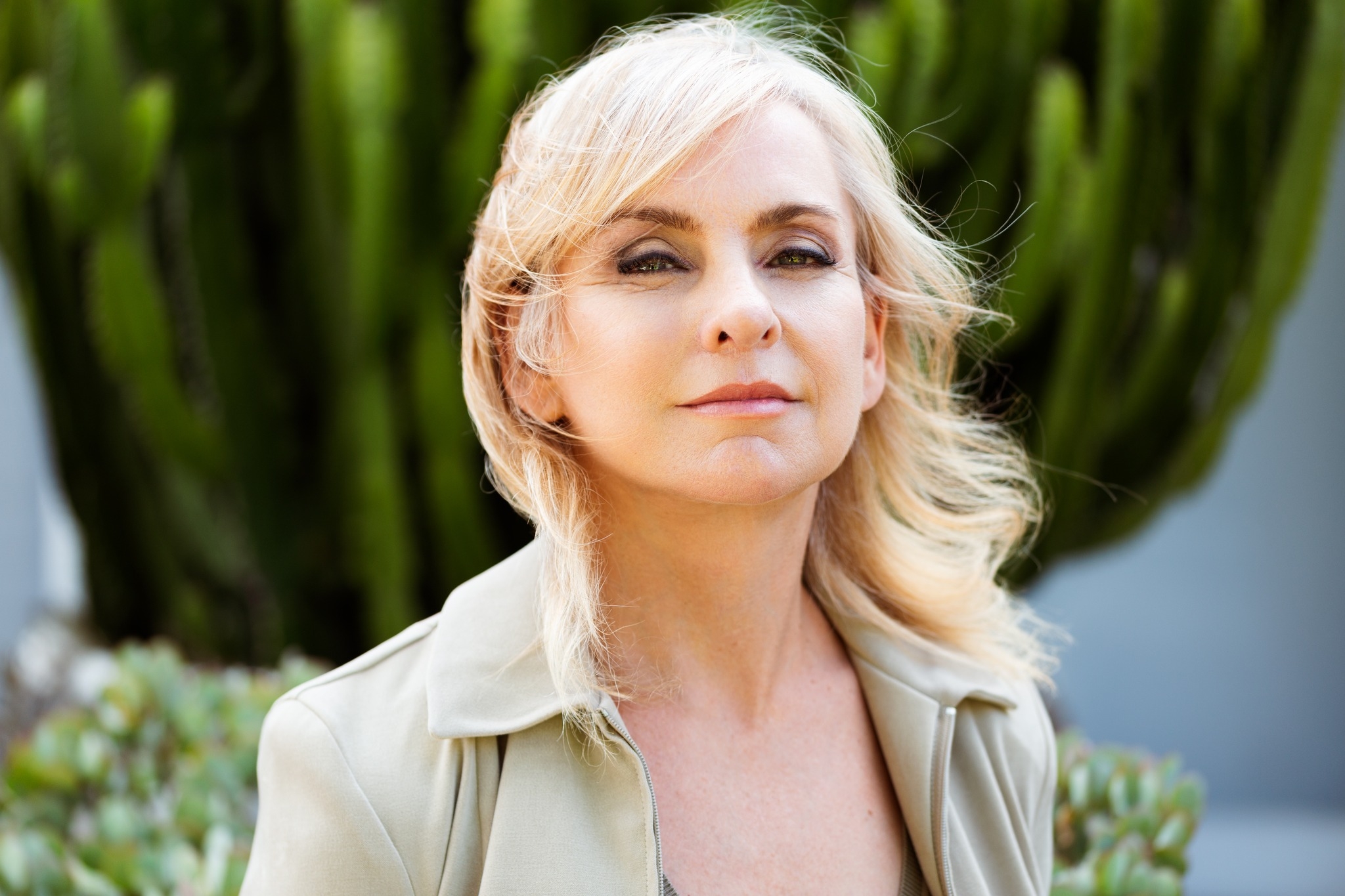
Lynne Jackson is the founder of Tradie Roo & Co™ — an Australian children's IP company whose R.O.O. Wellbeing Program is clinically co-developed with child psychiatrist Dr Philip Tam FRANZCP. The program is delivered in schools across Australia, and has been piloted in inclusive classrooms internationally.
She has spent years at the intersection of child development, education, and community — and Growing Up Here is her attempt to sit with a question she keeps coming back to: what do the communities that raise children well actually understand, and what can the rest of us learn from them?
She asks good questions. She lets people talk.
I'm inviting a small number of researchers, clinicians and practitioners to contribute to Season 1. If your work touches this question — from any angle, in any part of the world — I'd genuinely love to hear from you.
Get in touch